
Chronic Kidney Disease
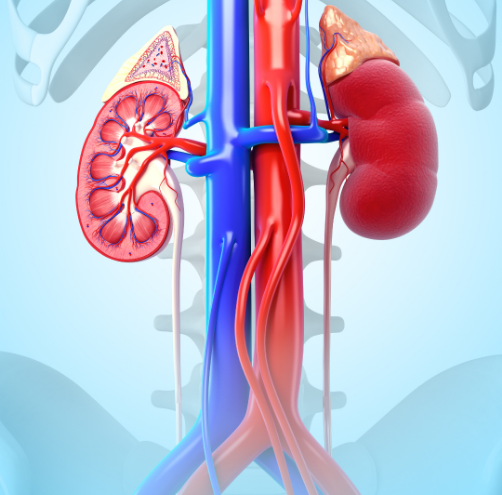
Chronic Kidney Disease
- Chronic kidney disease (CKD) is a long-term condition where the kidneys do not work as well as they should.
- It's a common condition often associated with getting older. It can affect anyone, but it's more common in people who are black or of south Asian origin.
- CKD can get worse over time and eventually the kidneys may stop working altogether, but this is uncommon. Many people with CKD are able to live long lives with the condition.
Symptoms of CKD
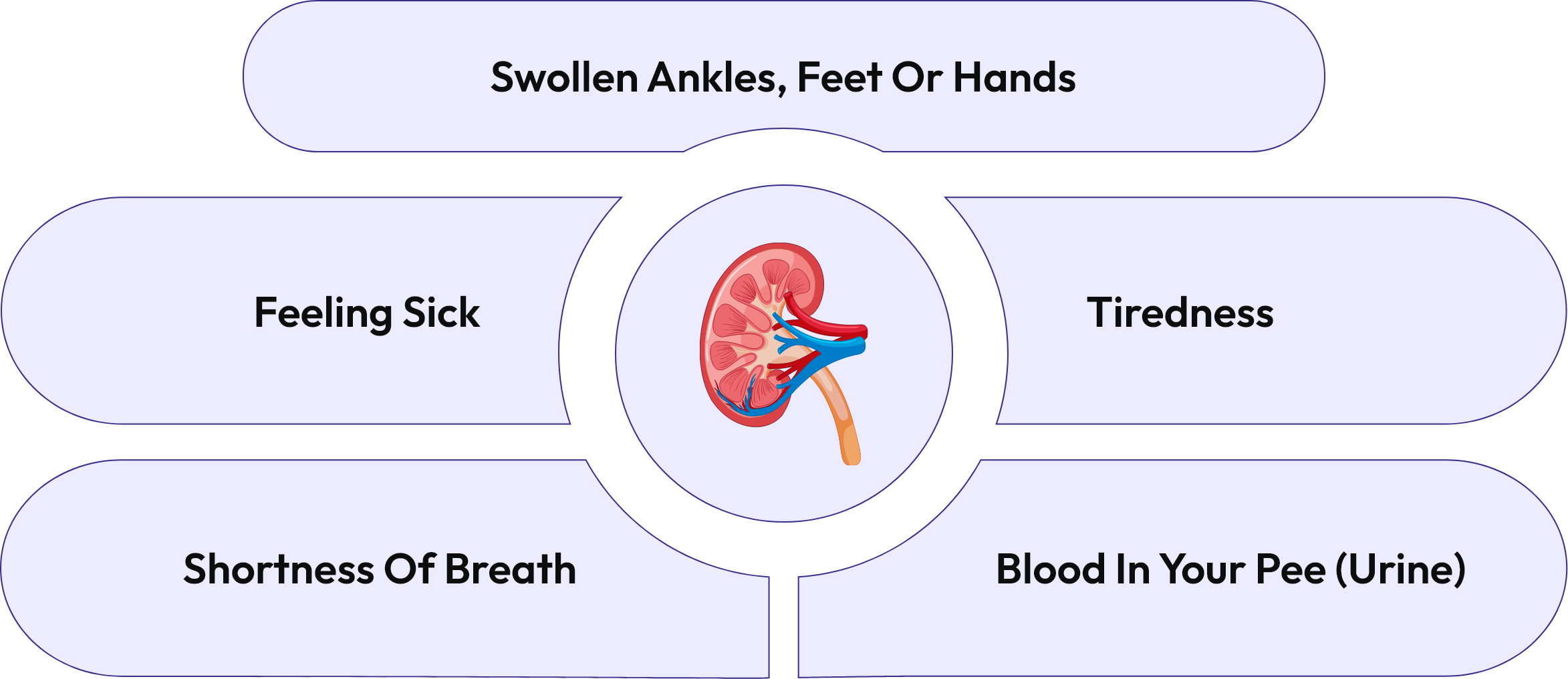
There are usually no symptoms of kidney disease in the early stages. It may only be diagnosed if you have a blood or urine test for another reason and the results show a possible problem with your kidneys.
At a more advanced stage, symptoms can include:
See a GP if you have persistent or worrying symptoms that you think could be caused by kidney disease.
Tests For CKD

- CKD can be diagnosed using blood and urine tests. These tests look for high levels of certain substances in your blood and urine that are signs your kidneys are not working properly.
- If you're at a high risk of developing kidney disease (for example, you have a known risk factor such as high blood pressure or diabetes), you may be advised to have regular tests to check for CKD so it's found at an early stage.
- The results of your blood and urine tests can be used to tell the stage of your kidney disease. This is a number that reflects how severe the damage to your kidneys is, with a higher number indicating more serious CKD.
Causes of CKD
Chronic kidney disease is usually caused by other conditions that put a strain on the kidneys. Often, it's the result of a combination of different problems.
| 01- High Blood Pressure Over time, this can put strain on the small blood vessels in the kidneys and stop the kidneys working properly. |
02- Diabetes Too much glucose in your blood can damage the tiny filters in the kidneys. |
| 03- High Cholesterol This can cause a build-up of fatty deposits in the blood vessels supplying your kidneys, which can make it harder for them to work properly. |
04- Kidney Infection Kidney infections are typically caused by bacteria from urinary tract infections or other factors like kidney stones and urinary blockages. |
| 05- Glomerulonephritis Glomerulonephritis is an inflammation of the kidneys' filtering units (glomeruli), often caused by infections or autoimmune diseases. |
06- Autosomal Dominant PKD An inherited condition where growths called cysts develop in the kidneys. |
| 07- Blockages In The Flow Of Urine Blockages in the flow of urine can be caused by kidney stones, tumors, or enlarged prostate. |
08- Long-Term Medication Us Long-term use of certain medications, such as lithium and NSAIDs, can impair kidney function. |
Treatments For CKD
br>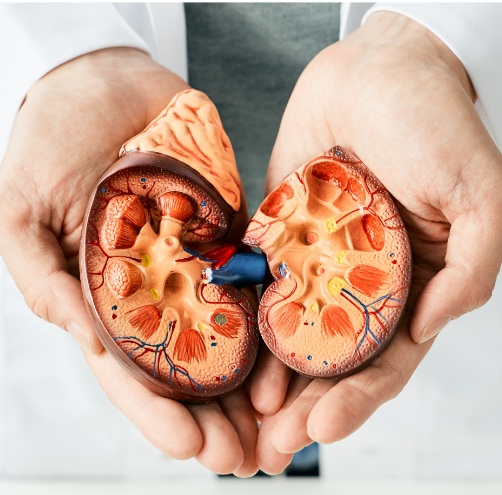
There's no cure for CKD, but treatment can help relieve the symptoms and stop it getting worse.
Your treatment will depend on how severe your condition is.
The main treatments are:
- Lifestyle changes to help you remain as healthy as possible
- Medicine to control associated problems such as high blood pressure and high cholesterol
- Dialysis – treatment to replicate some of the kidney's functions; this may be necessary in advanced CKD
- Kidney transplant – this may also be necessary in advanced CKD
You'll also be advised to have regular check-ups to monitor your condition.
Outlook For CKD
br>
- CKD can range from a mild condition with no or few symptoms, to a very serious condition where the kidneys stop working, sometimes called kidney failure.
- Most people with CKD will be able to control their condition with medicine and regular check-ups. CKD only progresses to kidney failure in around 2 in 100 people with the condition.
- If you have CKD, even if it's mild, you're at an increased risk of developing other serious problems, such as cardiovascular disease. This is a group of conditions affecting the heart and blood vessels, which includes heart attack and stroke.
- Cardiovascular disease is one of the main causes of death in people with kidney disease, although healthy lifestyle changes and medicine can help reduce your risk of developing it.
Frequently Asked Questions
Necessitatibus eius consequatur ex aliquid fuga eum quidem sint consectetur velit
Why should I consult Dr. Rajib Gayan?
Dr. Rajib Gayan is a specialist in Diabetology , Cardiology,Critical Care Medicine. He has more than 25 years of experience
Why is it best to consult a specialist?
A specialist doctor is trained to treat complex health conditions in their particular field. If you are diagnosed with a condition, it is best to consult a doctor who specializes in dealing with that particular condition.
What are the different modes of consultation?
Dr. Rajib Gayan provides different modes of consultation for you to choose from as per your convenience. You can choose to book a clinic appointment in Trinayan Hospital or you can also consult the doctor online via video or telephonic call. Please click here to book an appointment
Are safety guidelines followed in Dr. Rajib Gayan's consultation chamber?
Yes, our staff and clinic follows all safety protocols and we take appropriate measures to ensure a safe environment for our patients, including social distancing and hand sanitizing stations..
What is diabetes?
Diabetes is a chronic condition characterized by high levels of sugar (glucose) in the blood. It occurs when the body either does not produce enough insulin (a hormone that regulates blood sugar) or cannot effectively use the insulin it produces. There are three main types of diabetes: type 1, type 2, and gestational diabetes.
What are the symptoms of diabetes?
Common symptoms of diabetes include increased thirst, frequent urination, unexplained weight loss, fatigue, blurred vision, slow wound healing, and recurrent infections. However, some people with diabetes may not experience any symptoms, especially in the early stages of the disease.
How is diabetes diagnosed?
Diabetes is typically diagnosed through blood tests that measure fasting blood sugar levels, oral glucose tolerance tests, or hemoglobin A1c tests. These tests help determine whether blood sugar levels are within normal ranges and can aid in diagnosing diabetes or prediabetes.
What are the risk factors for developing diabetes?
Risk factors for diabetes include being overweight or obese, having a family history of diabetes, leading a sedentary lifestyle, having high blood pressure or high cholesterol levels, and belonging to certain ethnic or racial groups (such as African American, Hispanic, Native American, or Asian).
How is diabetes treated?
Treatment for diabetes aims to control blood sugar levels and prevent complications. Depending on the type of diabetes and individual factors, treatment may include lifestyle modifications (such as diet and exercise), oral medications, insulin therapy, and monitoring blood sugar levels regularly.
Can diabetes be prevented?
While some risk factors for diabetes, such as family history and ethnicity, cannot be changed, adopting a healthy lifestyle can help reduce the risk of developing type 2 diabetes. This includes maintaining a healthy weight, eating a balanced diet rich in fruits, vegetables, and whole grains, exercising regularly, and avoiding smoking and excessive alcohol consumption.
What are the complications of diabetes?
Untreated or poorly managed diabetes can lead to various complications, including heart disease, stroke, kidney disease, nerve damage (neuropathy), vision problems (retinopathy), foot problems, and skin conditions. Managing blood sugar levels and following a comprehensive diabetes care plan can help prevent or delay these complications.
Can diabetes affect other parts of the body?
Yes, diabetes can affect multiple organ systems in the body. It can damage blood vessels and nerves, leading to cardiovascular disease, kidney disease, eye problems, nerve damage, and foot complications. Managing diabetes effectively is essential to prevent or minimize the impact on other parts of the body.
How often should someone with diabetes see an Diabetologist?
The frequency of visits to an Diabetologist may vary depending on individual factors such as the type of diabetes, overall health status, and treatment plan. In general, people with diabetes should have regular check-ups with their endocrinologist at least every 3 to 6 months to monitor blood sugar levels, adjust treatment as needed, and address any concerns or complications .
How long will my appointment take?
The length of your appointment is determined by the clinical condition or history being treated, as well as whether or not old document eg- Blood test Any old treatment related documents are required. Please allow at least half hour for doctors to provide personalized attention and high-quality care.
Do I need to bring anything at my first appointment?
You may bring the following documents, if available: ID Proof Prior medication list Any prior diagnosis documentation - reports etc..
What are the payment options available?
E.g, You can pay using a variety of methods such as Internet Banking, Debit/Credit card, Wallet, UPI, and so on.
Do we serve all over India?
We are currently based in Nagaon, Assam, however, we offer services nationwide via online consultations..
Contact
Hospital Address:-
Trinayan Hospital, NH Byepass, Borghat, Nagaon, Assam 782001
Location - Trinayan Hospital
Phone: +91 9401659001
Clinic address:-
Dr Rajib Gayan | Trinayan Clinic , ADP road, Christian Patty, Nagaon, Assam 782001