Diabetes Department | Best Diabetes Department in Nagaon, Central Assam


The Department of Diabetes and Metabolic Disorders plays a pivotal role in managing a wide range of conditions related to hormones and metabolism. Comprised of a multidisciplinary team of Diabetologist / Endocrinologists, diabetic educators, well-known nutritionists, nurses, and other healthcare professionals, this department is committed to providing comprehensive care to patients with diabetes, thyroid disorders, adrenal issues, pituitary diseases, osteoporosis, and other hormonal imbalances.

One of the major health concerns addressed by this department is diabetes, a chronic condition affecting millions worldwide. The Department administers cutting-edge treatments, including insulin therapies, oral medications, lifestyle interventions, and continuous glucose monitoring facility to help patients achieve optimal blood glucose control. They also focus on educating patients about self-management to prevent complications and improve overall well-being. Routine evaluation of diabetes related complication is also done.
Metabolic disorders are another area of expertise for the department. Conditions like obesity, metabolic syndrome, and lipid disorders are meticulously managed through personalized diet plans, exercise regimens, and medications, aiming to reduce the risk of cardiovascular complications.
Incorporating advanced technologies and evidence-based practices, the Department of Diabetes, and Metabolic Disorders continues to make remarkable strides in the realm of patient care. By providing compassionate, patient-centric care, this department empowers individuals to lead healthier lives and effectively manage their conditions. With ongoing research and an unwavering commitment to excellence, Trinayan Hospital, Nagaon on the forefront of combating metabolic challenges for a healthier future.
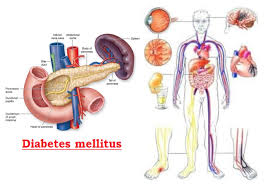
Diabetes (Type-1 and Type-2 Diabetes, Secondary Diabetes and Gestational Diabetes Mellitus)- Diabetes is a chronic metabolic disorder characterized by high blood sugar levels.
Type 1 diabetes results from the immune system attacking insulin-producing cells, requiring lifelong insulin therapy.
Type 2 diabetes is due to insulin resistance and lifestyle factors. Secondary diabetes arises from underlying conditions or medications.
Gestational Diabetes Mellitus requires meticulous control of blood glucose throughout pregnancy to prevent complications in both mother & baby. Regular monitoring, a balanced diet, and exercise are crucial in diabetes management.
Osteoporosis and Metabolic Bone Disease-
Osteoporosis leads to weakened bones and increased fracture risk, affecting millions worldwide. Recurrent fractures pose severe health concerns, warranting preventive measures and calcium-rich diets. Hyperparathyroidism disrupts calcium regulation, demanding timely medical attention and potential surgical intervention.
State Of The Art Endocrine Therapeutic Options Available
Diabetes (Type 1, Type 2, secondary)
Intensive Insulin Therapy/ Insulin Pump
Diabetes during Pregnancy – Gestational Diabetes Mellitus
Diabetic Foot & Wound Care (In cooperation with Surgical/Orthopedic Team)
Our Specialist

MD, P.G.D.D.M. (London), F.C.C.M., F.G.E.
P.G.D. Diabetology(RMMCH,AU),
P.G.D. Cardiology(RMMCH,AU)
Email:- drrajib@gmail.com
Mobile:- +919199606955

scan to save contact no in mobile

Dr. Rajieb Gayan is a renowned Diabetologist, Cardiologist & Intensivist serving in Central Assam. Dr. Rajieb Gayan is an expert in all Cardio Diabetic & Critical care dynamic tests and procedures, management of all Cardio Diabetic emergencies, inpatient and outpatient hyperglycemia, electrolyte disturbances, . Dr. Rajieb Gayan holds various publications under his name. As a passionate doctor he always aims to provide the best of medical treatment to all his patients. He provide a friendly atmosphere to his patient, gives ample of time to them to discuss their problem and help’s them out in an understanding and caring may to advice their diabetic goals.
High blood Sugar problem, Diabetes emergencies, Cardiac Emergencies , diabetes hypo glycaemia, diabetic foot, Any Metabolic / Cardio emergencies, inpatient and outpatient . Non Invasive Cardiac Procedures, Pacemaker insertion
Fellowship in Critical Care Medicine
Fellowship in Gastroenterology
Member, Research Society on Study of Diabetes in India(RSSDI)
Member - Diabetic foot Society of india
Member - National College of Chest Physician
Member - ESC, EHRA,
Member - Indian Society of Critical Care Medicine
Member - NEDS