
Frequently Asked Questions about
HEADACHE
What are the common causes of headaches?
Headaches can be triggered by various factors, including stress, tension, dehydration, lack of sleep, sinus congestion, hormonal changes, certain foods or drinks, and underlying medical conditions.
When should I seek medical attention for my headaches?
You should seek medical attention if you experience severe or persistent headaches, sudden onset of a severe headache (thunderclap headache), headaches accompanied by neurological symptoms like numbness or weakness, or if headaches interfere with your daily activities.
How can I differentiate between different types of headaches?
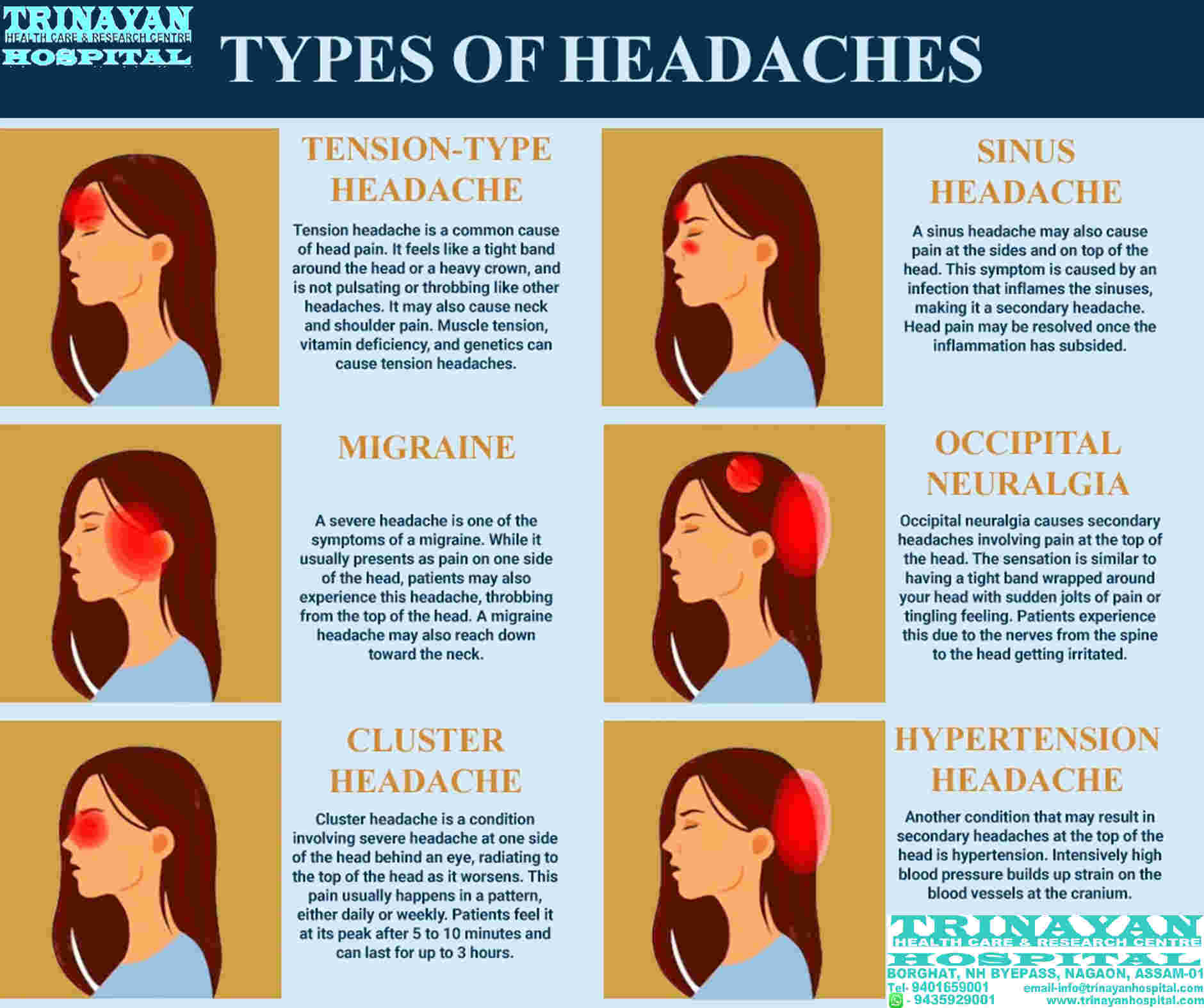
Headaches can be categorized into primary headaches (like tension headaches, migraines, and cluster headaches) and secondary headaches (caused by underlying conditions like sinusitis, head injury, or medication overuse). A healthcare provider can help diagnose the specific type of headache based on your symptoms and medical history.
What lifestyle changes can I make to prevent headaches?
Lifestyle changes that may help prevent headaches include maintaining a regular sleep schedule, managing stress through relaxation techniques or mindfulness practices, staying hydrated, avoiding triggers like certain foods or drinks, and maintaining good posture.
Are there alternative therapies or treatments for headaches?
Alternative therapies such as acupuncture, massage therapy, cognitive-behavioral therapy, and biofeedback may offer relief for some individuals with headaches. However, it’s essential to discuss these options with a healthcare provider before trying them.
Can diet and nutrition affect headaches?
Yes, certain foods and drinks like caffeine, alcohol, aged cheese, processed meats, and artificial sweeteners are known triggers for headaches in some individuals. Keeping a food diary and identifying potential triggers can help manage headaches.
How does stress contribute to headaches, and what can I do to manage stress?
Stress can trigger or exacerbate headaches by causing muscle tension and increasing cortisol levels. Managing stress through relaxation techniques such as deep breathing, meditation, yoga, or exercise can help reduce headache frequency and intensity.
Is it safe to exercise if I have a headache?
In many cases, mild to moderate exercise can actually help alleviate headaches by promoting blood flow and releasing endorphins. However, it’s essential to listen to your body and avoid vigorous exercise if your headache is severe or accompanied by other symptoms.
What role does hydration play in preventing headaches?
Dehydration is a common trigger for headaches. Drinking an adequate amount of water throughout the day can help maintain hydration levels and reduce the risk of headaches. Aim to drink at least eight glasses of water per day, or more if you’re physically active or in hot weather.
When should I consider seeing a neurologist for my headaches?
You should consider seeing a neurologist for your headaches if they are severe, frequent, or persistent despite over-the-counter treatments. Additionally, if your headaches are accompanied by neurological symptoms such as numbness, weakness, or changes in vision, it’s important to seek evaluation by a neurologist.
What can I expect during my appointment with a neurologist for headaches?
During your appointment, the neurologist will conduct a thorough evaluation, which may include taking a detailed medical history, performing a physical examination, and possibly ordering diagnostic tests such as imaging studies or blood tests. Based on the findings, the neurologist will work with you to develop a personalized treatment plan.
What types of headaches can a neurologist diagnose and treat?
Neurologists are trained to diagnose and treat various types of headaches, including tension headaches, migraines, cluster headaches, and secondary headaches caused by underlying medical conditions or injuries.
Can a neurologist help with chronic headaches or migraines?
Yes, neurologists specialize in managing chronic headaches and migraines. They can provide comprehensive care, including preventive strategies to reduce the frequency and severity of headaches, as well as acute treatments to alleviate symptoms during headache attacks.
Is it necessary to continue seeing a neurologist after my headaches improve?
Depending on your individual situation, your neurologist may recommend periodic follow-up appointments to monitor your progress, adjust your treatment plan as needed, and address any new or recurring symptoms. Ongoing communication with your neurologist can help ensure long-term management and prevention of headaches.