
Frequently Asked Questions about
GASTROENTEROLOGY
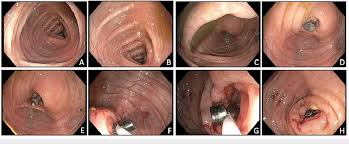
What does a Gastroenterologist treat?
Gastroenterologists specialize in the diagnosis and treatment of disorders related to the digestive system, including the esophagus, stomach, intestines, liver, and pancreas.
When should I see a Gastroenterologist?
You should consult a Gastroenterologist if you experience persistent digestive symptoms such as abdominal pain, bloating, changes in bowel habits, or if you have a family history of gastrointestinal diseases.
How is acid reflux different from heartburn?
While heartburn is a symptom, acid reflux is the condition causing it. Acid reflux occurs when stomach acid flows back into the esophagus, leading to symptoms like heartburn.
What is the role of a Gastroenterologist in cancer screening?
Gastroenterologists play a crucial role in cancer screening, especially for colorectal cancer, by performing procedures like colonoscopies to detect and prevent cancer at early stages.
Can dietary changes help manage gastrointestinal issues?
Yes, dietary changes recommended by a Gastroenterologist can often help manage gastrointestinal issues. They may suggest specific diets tailored to your condition.
What is Inflammatory Bowel Disease (IBD), and how is it treated?
IBD includes conditions like Crohn’s disease and ulcerative colitis. Treatment may involve medications, lifestyle changes, and, in severe cases, surgery. Gastroenterologists specialize in managing these complex conditions.
Is there a connection between gastrointestinal health and mental well-being?
Yes, the gut-brain connection is well-established. Gastrointestinal issues can impact mental health, and vice versa. Gastroenterologists consider this holistic aspect in diagnosis and treatment.
What are common symptoms of liver disease?
Symptoms of liver disease can include jaundice, abdominal pain, swelling, and changes in urine and stool color. If you experience these symptoms, it’s essential to consult a Gastroenterologist promptly.
What role does hydration play in preventing headaches?
Dehydration is a common trigger for headaches. Drinking an adequate amount of water throughout the day can help maintain hydration levels and reduce the risk of headaches. Aim to drink at least eight glasses of water per day, or more if you’re physically active or in hot weather.
What are the risk factors for developing gastrointestinal cancers?
Risk factors include age, family history, smoking, alcohol consumption, and certain medical conditions. Regular screenings by a Gastroenterologist can help detect cancer early.
Can a Gastroenterologist help with weight management?
Yes, Gastroenterologists can offer guidance on weight management, especially if gastrointestinal issues contribute to weight problems. They may provide personalized diet and lifestyle recommendations.