Gastroenterology Department

The Gastroenterology & Hepatology Centre is a specialized field that is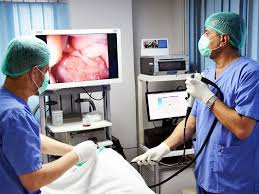 dedicated to the comprehensive management of Gastrointestinal (GI) disorders. Our approach is rooted in evidence-based guidelines, underscored by ethical principles, and designed to ensure a patient-centric experience. With cutting-edge infrastructure, we offer a comprehensive range of procedures, covering major GI, Hepatobiliary, and Pancreatic concerns. This department is cornerstone in the field of medicine, addressing a wide array of conditions that impact the gastrointestinal tract and liver.
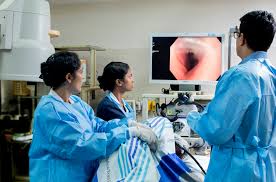
The Dept. of Liver, Gastroenterology at TRINAYAN HOSPITAL boasts not only of world-renowned clinicians but also of the most modern technologies used for diagnosis and treating patients of gastrointestinal and liver diseases. This institute is well known for its profile as being among the best ones in the country for providing fine clinical services, a high-quality academic programme and qualifi ed and committed doctors. The institute is recognized both nationally and internationally for its expertise and has established itself as a tertiary referral centre. The department is well equipped, which makes it one of most sought after in India for post-doctoral courses in gastroenterology. The institute is training not only its students who are pursuing the Diplomate in the National Board (DNB) course but also fellows from abroad. A number of observers from all over India come to observe and learn procedures. The department also offers oesophageal and anorectal manometry training to Gastroenterologists from India and abroad. A multidisciplinary tumour board is also conducted every week to discuss management of patients with various GI malignancies..
Our primary objective is to deliver state-of-the-art services to individuals grappling with Digestive, Liver, and Pancreato-Biliary conditions. Additionally, we are committed to fostering education and research within the realm of Digestive & Hepatobiliary Sciences. Our ultimate mission is to establish ourselves as the preferred choice for healthcare providers seeking top-notch solutions for patients in need of Gastroenterology & Liver ailment management.
Specialized Procedures
Diagnostic & Therapeutic Managment
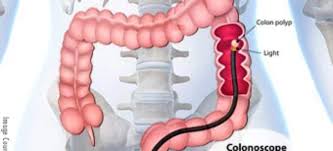
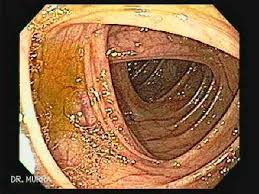
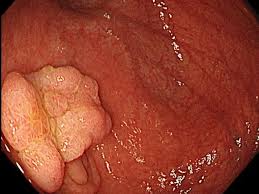
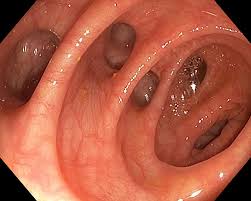
- Gastroscopy and Colonoscopy: These minimally invasive procedures involve using a flexible tube with a camera to examine the interior of the stomach (gastroscopy) and the colon (colonoscopy). They aid in diagnosing and treating various gastrointestinal issues, such as polyps, inflammation, and cancers.
- Biliary Obstruction (Cancers and Stones) (ERCP): Endoscopic Retrograde Cholangiopancreatography (ERCP) is a technique to manage biliary obstruction caused by tumors or stones. By inserting a specialized endoscope, the procedure allows for both diagnosis and therapeutic interventions to clear blockages in the bile ducts.
- Bleeding Varices and Ulcers: Endoscopy is utilized to address bleeding from varices (enlarged veins) and ulcers in the gastrointestinal tract. This method enables precise identification and immediate treatment of the bleeding source, preventing complications and aiding in patient recovery.
- Endoscopic Ultrasonography: This procedure combines endoscopy with ultrasound to produce detailed images of the digestive tract's inner layers and adjacent structures. It aids in diagnosing cancers, cysts, and other conditions while providing essential information for treatment planning.
- Capsule Endoscopy: A non-invasive technique involving a swallowed pill-sized camera that captures images of the digestive tract as it moves through. It's particularly useful for investigating small intestine issues that traditional endoscopy and colonoscopy might not reach.
- Stent for Esophageal Cancers: In cases of esophageal cancer, stents can be placed using endoscopy to keep the esophagus open, promoting swallowing and reducing discomfort. This palliative approach helps enhance the patient's quality of life.
- Endoscopic Management of Gastrointestinal Bleeding: Endoscopy plays a pivotal role in identifying and treating the sources of gastrointestinal bleeding. It allows for interventions such as cauterization, clipping, or injection to stop bleeding, reducing the need for surgical procedures.
- Endoscopic Management of Strictures in Food pipe: Strictures (narrowing) in the esophagus can be addressed endoscopically by dilating the narrowed area using balloons or other devices. This approach restores proper swallowing function and alleviates discomfort.
- Endoscopic Balloon Placement for Obesity: Endoscopic intragastric balloons are used to aid weight loss by occupying space in the stomach, leading to reduced food intake. This reversible procedure provides an option for managing obesity without surgery.